

The Chemistry of Innovation: How Legacy Collective Powers the Krebs Cycle of Creativity
1. The Search for Creative Energy
Innovation doesn’t happen in isolation—it moves, evolves, and transforms.
Neri Oxman’s Krebs Cycle of Creativityoffers a compelling way to understand this movement. She describes creativity as a continuous exchange between four domains: Science, Engineering, Design, and Art—a system where each discipline fuels the next, much like a living cell generates energy through the biological Krebs cycle .
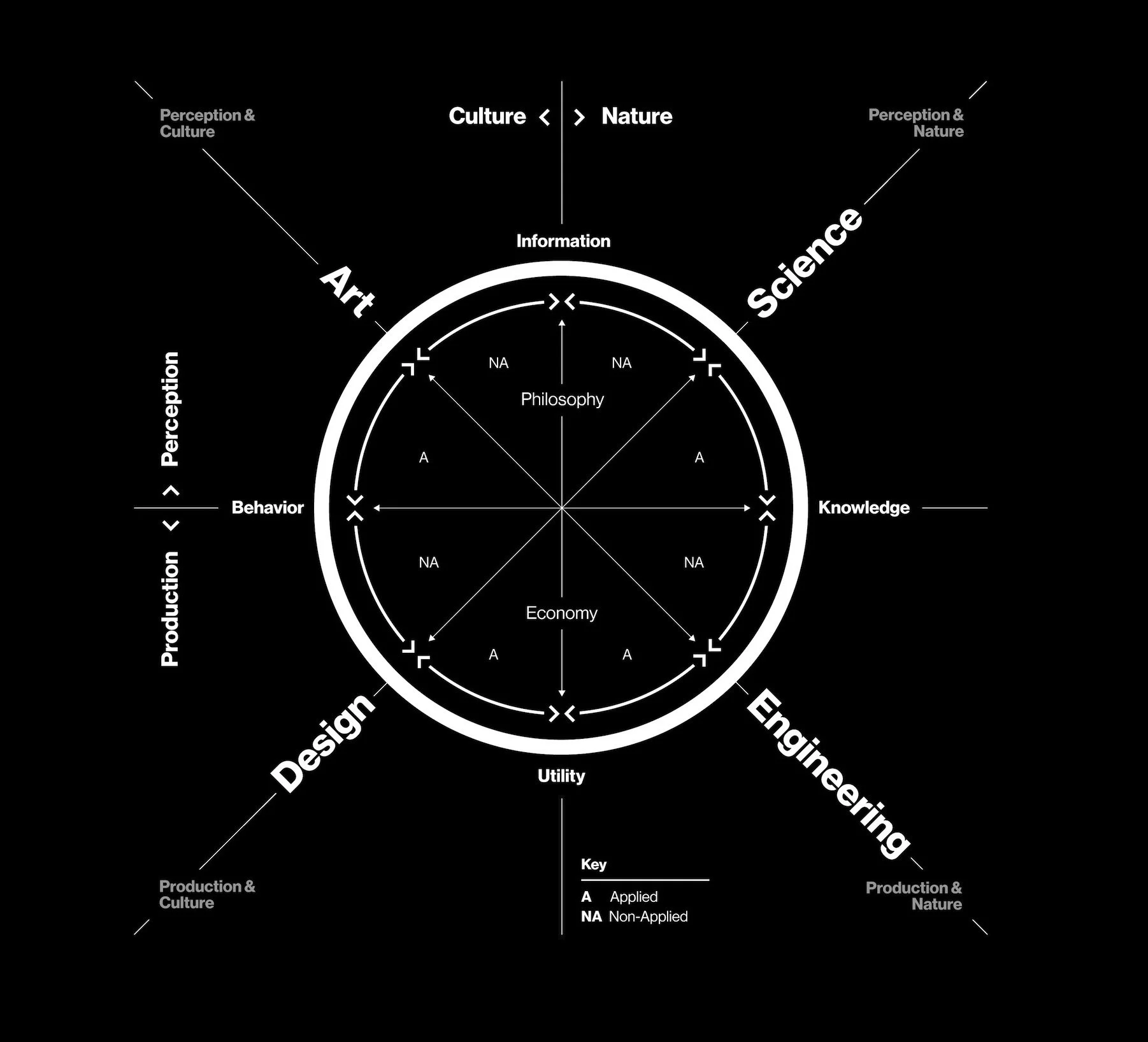
What struck me the first time I encountered this framework wasn’t just its elegance—it was its accuracy.
Because whether we’re talking about a scientific breakthrough, a new business model, or a powerful story, the same truth applies:
ideas need a system to become impact.
And that’s the gap most people are facing today.
2. Legacy Collective as the Innovation Engine
At Legacy Collective, we’ve built our platform around a simple but powerful belief:
Everyone carries knowledge worth sharing.
But raw knowledge isn’t enough. It needs structure. It needs translation. It needs a pathway.
That’s where the cycle begins.
Science (Knowledge):
Every micro-course starts with lived experience, expertise, or a question worth exploring. This is the raw material—the insight, the story, the skill.Engineering (Structure):
Our Micro-Course Framework acts as the system that organizes that knowledge into something usable. We’re not just capturing ideas—we’re building learning experiences.Design (Experience):
Through mobile-first, engagement-driven learning cards, we transform information into interaction—reflection prompts, storytelling moments, and real-world application.
This is where creators move from knowing something to teaching something that matters.
3. Storytelling as the Catalyst for Change
If Science builds and Engineering structures, Art is what moves people.
And this is where Legacy Collective becomes personal for me.
My background—and our mission as a company—is deeply rooted in storytelling. Not just polished narratives, but real, lived experiences that challenge assumptions, preserve culture, and create connection.
In Oxman’s model, Art is often the force that incites (r)evolution.
We see that every day.
When a creator shares their story—whether it’s about entrepreneurship, education, or cultural history—they’re not just informing learners.
They’re reshaping how people see the world.
That’s not content.
That’s transformation.
4. From Idea to Impact: Community-Driven Innovation
The true power of the Krebs Cycle isn’t in any single quadrant—it’s in the movement between them.
At Legacy Collective, that movement leads to something tangible:
A structured micro-course
A credentialed learning experience
A story that now lives beyond the individual
And most importantly—a community that can learn from it.
This is where innovation becomes scalable.
When creators turn their ideas into courses, they don’t just build content—they create recognized, measurable outcomesthat connect storytelling to real-world value.
Workforce development.
Cultural preservation.
Personal growth.
All powered by the same cycle.
5. Start Your Own Cycle
Every innovation begins with a question.
Something you’ve learned.
Something you’ve lived.
Something you’ve always wanted to share.
The opportunity now isn’t just to hold onto that knowledge—it’s to activate it.
Legacy Collective exists to help you take that first step:
From idea → to structure → to experience → to impact.
So the question is simple:
What’s your starting point?
Because once you enter the cycle…
you’re not just creating a course.
You’re building your legacy.
